
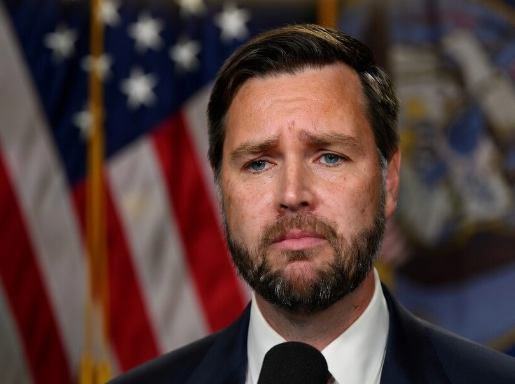
Recent data from the Center Square Voters’ Voice Poll indicates that Vice President JD Vance remains the primary choice for a future presidential run among Republicans and right-leaning independents. With 36% of the vote, Vance secured nearly double the support of Donald Trump Jr., who followed in second place with 19%. However, the poll suggests a slight cooling for the top two candidates since October, allowing Secretary of State Marco Rubio to gain significant traction, particularly as a popular second choice among independent voters.
The shifting dynamics within the administration were further highlighted during a recent donor gathering at Mar-a-Lago. President Donald Trump informally gauged the room’s sentiment toward his Vice President and Secretary of State, noting that Rubio received a significantly louder ovation from the donor class. Trump offered a nuanced comparison of their political styles, describing Vance as a “tough” figure who occasionally requires restraint, whereas Rubio operates with a “velvet glove” that is nonetheless decisive and effective. Despite this donor-level enthusiasm for Rubio, public influence polls tell a different story. A survey conducted by JL Partners and the Daily Mail suggests that Vance is perceived as the most influential figure in the Trump administration’s inner circle, leading Rubio by seven percentage points. Furthermore, Rubio has faced a slight dip in overall approval ratings, dropping from 40% to 36% in recent weeks, with a notable portion of the electorate remaining neutral or unsure of his performance. Amidst growing media speculation regarding a potential 2028 rivalry, both JD Vance and Marco Rubio have consistently downplayed any internal friction. Vance has described Rubio as his “closest friend” in the administration, dismissing conflict narratives as media fabrications. For his part, Rubio has publicly stated his intent to support Vance should the Vice President seek the nomination in 2028, signaling a unified front as the administration moves forward with its policy agenda.